
What's New with Hikvision Cameras: The Shift from "Recording" to "Understanding"
If you last looked at security cameras a few years ago, picture this: a static box on a wall that recorded footage nobody watched until something went wrong. That picture is out of date. Hikvision, one of the world’s largest video surveillance manufacturers, has been pushing its camera lineup toward something closer to an on-site analyst than a passive recorder – and the direction of that shift says a lot about where the whole industry is headed.
Here’s a look at the themes driving Hikvision’s newer camera generations, and why they matter for anyone thinking about upgrading a security setup.
1. AI Has Moved to the Edge
The biggest change isn’t a single feature — it’s *where the intelligence lives*. Instead of shipping raw video to a server room and hoping someone (or some software) reviews it later, newer Hikvision cameras increasingly run AI models directly on the camera chip itself. That “edge AI” approach enables:
- Real-time object classification — distinguishing a person from a vehicle from an animal from a wind-blown plastic bag, cutting down drastically on false alarms.
- Behavior analytics — flagging loitering, line-crossing, or a person falling, as it happens rather than after a security guard scrubs through hours of footage.
- Facial and license-plate recognition running locally, which can reduce bandwidth needs and latency.
For a small business owner, this is the difference between a camera that dumps footage into a hard drive and one that can actually text you when something looks off.
2. Color at Night Is No Longer a Gimmick
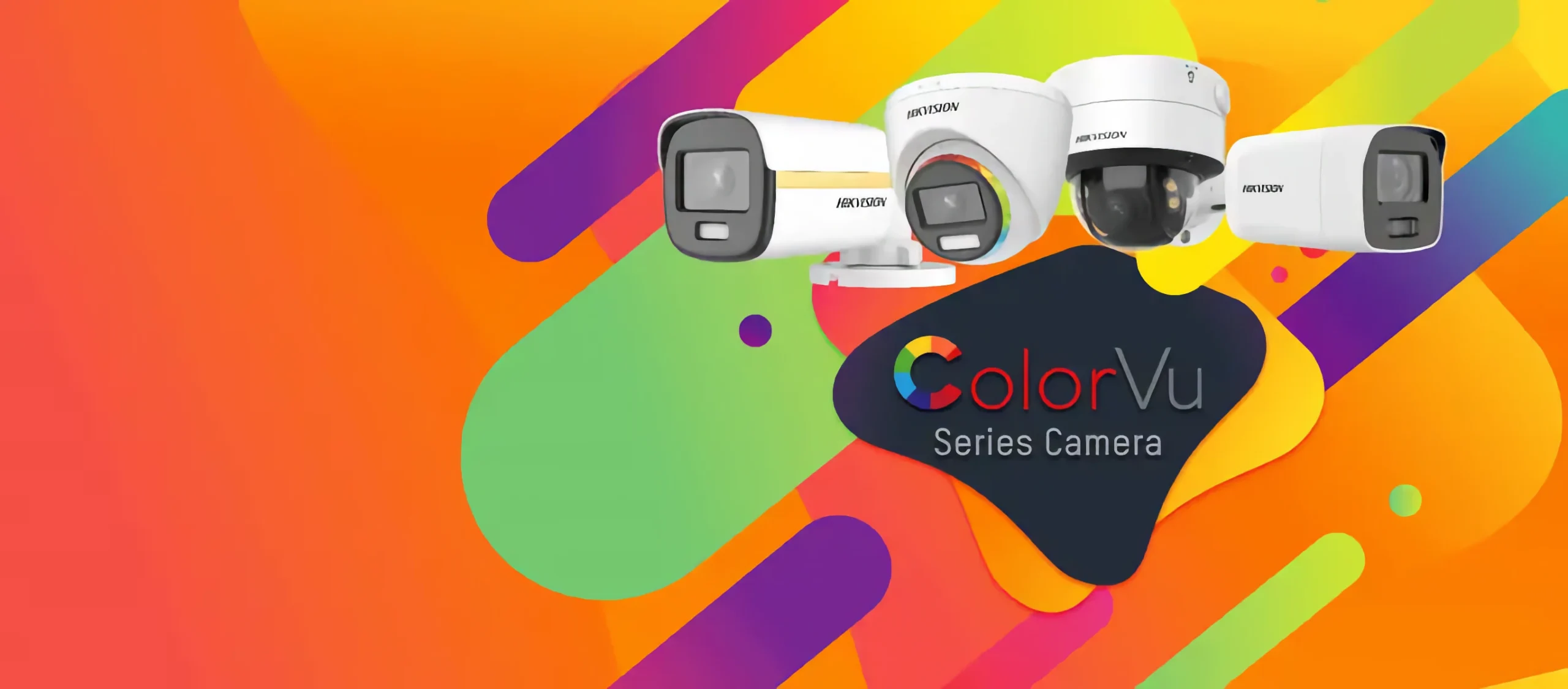
Traditional low-light cameras switch to black-and-white infrared once the sun goes down — useful, but you lose a lot of identifying detail (what color was that jacket? that car?). Hikvision’s **ColorVu** line addresses this by pairing a larger sensor and wider aperture with supplemental lighting, keeping footage in full color even in near-darkness. Newer iterations push this further with dual-lens designs that blend a color sensor with an infrared one, giving you clear color detail *and* extended night range in the same shot.
3. Thermal Is Trickling Down from Industrial to Everyday Use
Thermal imaging cameras — once a specialty, expensive category reserved for perimeter security at airports or power plants — are becoming a more mainstream option. Combined thermal-and-optical (“bi-spectrum”) cameras let a system detect a heat signature in total darkness or through smoke and fog, then automatically slew a regular optical lens to zoom in and confirm what it’s looking at. This is particularly useful for warehouses, industrial yards, and rural properties where perimeter intrusion detection matters more than facial detail.
4. Cameras Are Becoming Part of a Bigger Ecosystem
Individually smart cameras are nice, but Hikvision’s bigger strategic bet is on cameras as one node in a connected system — talking to NVRs (network video recorders), access control systems, and building management platforms. That means:
- Cross-referencing a badge swipe with a camera’s facial match at the same door.
- Triggering lighting, alarms, or intercom announcements automatically based on what a camera detects.
- Centralized dashboards where an operator can search *”show me every red truck that entered after 10pm this week”* instead of scrubbing footage frame by frame.
5. The Elephant in the Room: Security and Geopolitics
No honest discussion of Hikvision cameras can skip the fact that the company operates under real scrutiny. Hikvision has faced U.S. government restrictions (including being placed on trade blacklists) tied to human rights concerns and national security reviews, and some Western governments and organizations have restricted or banned its equipment from official networks. If you’re considering Hikvision hardware for a business or public-sector deployment, it’s worth checking your local regulations and your organization’s procurement policies before buying — this is as much a compliance question as a technical one.
Should You Care?
Whether any of this matters to you depends on what you’re protecting and how much you’re willing to spend. A few practical takeaways:
- Home users will mostly notice the color-night-vision and false-alarm-reduction benefits — fewer 3am notifications about a moth on the lens.
- Small businesses benefit most from the analytics: knowing footfall patterns, catching real intrusions instead of shadows, and getting instant clips instead of hour-long reviews.
- Industrial and perimeter use cases are where thermal and bi-spectrum cameras really start to pay for themselves.
- Anyone in a regulated or government-adjacent environment should treat the compliance question as step one, not an afterthought.
The overall trajectory is clear: cameras aren’t just eyes anymore — they’re trying to be eyes with judgment. Whether that’s a welcome evolution or a privacy headache probably depends on which side of the lens you’re standing on.
Our CCTV Services

0 Comments